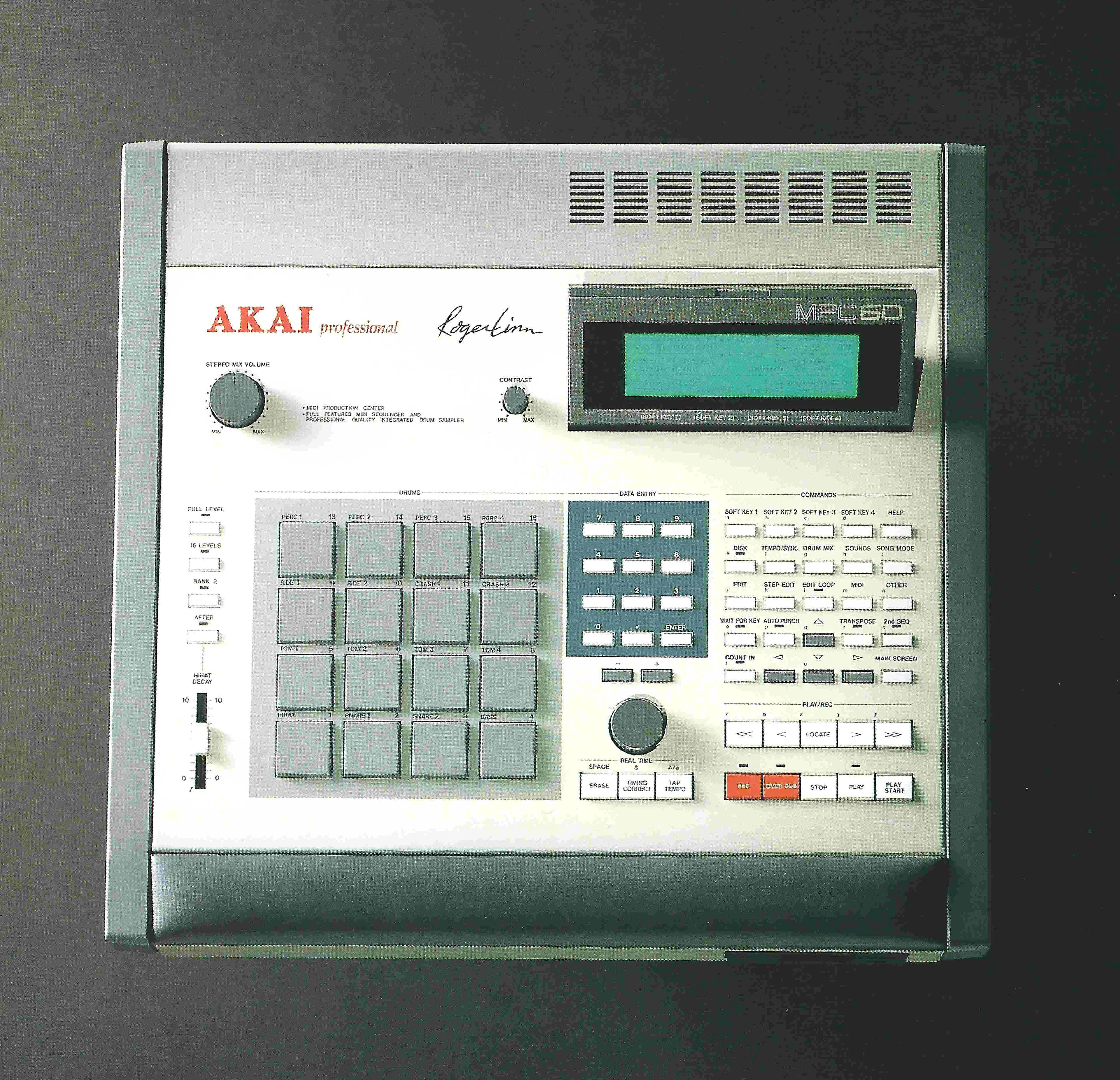
In 1988, Akai started selling a gray box that had sixteen rubber buttons. It was called the MPC60.1 Pressing the buttons let you record sounds and play them back. You could shape sounds: chop them into pieces, shift their pitch, bend their timings, loop them, layer them, and combine them with new ones.
The MPC60 and its descendants — musicians call them all MPCs — changed music forever. If you could hear a sound, you could start using it. It became almost effortless to borrow musical ideas. This process was called sampling.
AI also lets you combine and shape things you didn’t make yourself. If you can describe a thing, you can start building it. It’s like an MPC for ideas. But using AI doesn’t guarantee your creations will be good, any more than the MPC guaranteed anyone could become a successful musician. Sampling started a revolution — but in doing so, it also produced untold numbers of forgettable tracks, just as AI has already generated countless forgettable apps and essays.
Great music production requires great taste, and building with AI is no different. Good samples are rare (just like good ideas) and good combinations are even rarer. Filtering them, learning from them, and combining them to produce truly new things is a deeply creative process.
People hated this. They said sampling was theft, and hip-hop wasn’t real music. But by 2017, R&B/hip-hop had become the most popular music genre in America.2 As it turned out, experimenting with music from the past is a very good way to create the music of the future. A gospel choir could sit on top of a funk beat next to a line of kung-fu movie dialogue, and it sounded good. Suddenly, experimentation was cheap, freeing people to try weird combinations. A lot of weird combinations are bad. But breakthroughs are often the weird combinations that work.3
I like analogies, and I like testing where they break, so let’s do that: the MPC never helped you find new samples on its own — it couldn’t. But AI doesn’t have that limitation. Ask it for new ideas and it will answer, confidently and fluently. AI comes with its own presets, except here the presets are for thinking.
So who wins when everyone can sample the same thoughts? My bet is on the people who are best at combining old ideas in new and useful ways. Some skills will become even more valuable: being able to spot the difference between “confidently explained” and “actually good”, knowing when to seek novel solutions, and learning how to use AI to spark your own creativity.
The MPC didn’t make anyone a musician on its own. Instead, it was a new kind of instrument to learn. AI is no different, and it’s worth learning how to play thoughtfully.
Notes
-
MPC stood for MIDI Production Center. It was created by Roger Linn, who had already invented the LM-1, one of the first programmable drum machines. ↩
-
Nielsen’s 2017 U.S. Music Year-End Report found that R&B/hip-hop had become the country’s most-consumed genre for the first time. ↩
-
This is also when they stop feeling weird. ↩